6 hr
Hanoi to Sa Pa VIP Sleeper Bus Transfer
- Private experience
- Personal attention
- Premium amenities
- Free cancellation
Hanoi to Sapa Sleeper Bus Private Cabin — VIP Overnight Transfers
Enclosed berths with doors, clean linen — eight hours through the mountains while you rest
Compare fares, pick the fit — all bookings are mobile-voucher and eligible for free cancellation where shown.
6 hr
6 hr
6 hr
| Experience | Duration | Rating | Transfers | Pickup | Free cancel. | Price | |
|---|---|---|---|---|---|---|---|
|
Luxury / Private
Most popular
Hanoi to Sa Pa VIP Sleeper Bus Transfer
|
6 hr | ★ 4.4 | ✓ | ✓ | ✓ | €23 | Book → |
|
Luxury / Private
Hanoi to Sapa Luxury Limousine Bus Transfer
|
6 hr | ★ 4.6 | ✓ | ✓ | ✓ | $27 | Book → |
|
Luxury / Private
VIP Sleeper Bus Transfer Between Hanoi and Sapa
|
6 hr | ★ 4.4 | — | ✓ | ✓ | $27 | Book → |
Worth it for light sleepers and comfort seekers
A hanoi to sapa sleeper bus private cabin typically costs 30–50% more than shared VIP sleeper berths, pushing fares from around $15–20 to $25–35 per person depending on the operator. That premium buys you a lockable compartment with two berths, individual climate control, and freedom from strangers climbing over you during the six-hour overnight mountain journey. For solo travelers pairing up or couples, the math tilts favorable: you gain genuine rest on winding roads where shared cabins often mean interrupted sleep from engine noise, fellow passengers' movement, and sudden braking on hairpin turns. Light sleepers, first-time mountain bus riders, and anyone valuing privacy will find the Hanoi to Sapa sleeper bus private cabin upgrade justified. Budget backpackers comfortable with hostel-style travel or those arriving only to transfer onward can skip it—standard VIP berths deliver you to Sa Pa town center just as reliably, albeit with less control over your immediate environment and potentially groggier.
Bottom line: Pay the private cabin premium if sleep quality directly affects your first trekking day in the highlands—the rest matters less than arriving rested.
The bus provides a direct road route to the town center, while the train offers a classic railway journey that terminates in Lao Cai. Choosing a hanoi to sapa sleeper bus private cabin serves travelers prioritizing direct access over the gentle motion of rail transit.
|
Top pick Sleeper Bus (Private Cabin) |
Overnight Train | |
|---|---|---|
| Privacy | Fully enclosed private cabin | Shared 4-berth or 2-berth cabin |
| Sleeping comfort | Flat horizontal bed surface | Vibration-prone bunk bed |
| Travel time | 5.5–6.5 hours | 8–9 hours (including transfer) |
| Scenic views | Night-time road travel | Limited night-time visibility |
| On-board amenities | USB charging and Wi-Fi | Small table and luggage storage |
| Arrival reliability | Directly to town center | Requires connecting shuttle from station |
| See tickets & prices |
Verdict: Securing your hanoi to sapa sleeper bus private cabin tickets is recommended for direct town access, while the train is preferred by those seeking more room to move during the hanoi to sapa sleeper bus private cabin tours experience.
Hand-picked experiences loved by thousands of travelers
6 hours
Free Cancellation
Travel in comfort between Hanoi and Sapa on a premium sleeper bus with spacious cabins and convenient hotel pickup.
6 hours
Free Cancellation
Journey between Hanoi and Sapa in comfort with reclining berths, onboard amenities, and convenient pickup
4.5 hours
Free Cancellation
Direct private ride from Hanoi or HAN Airport to your Sapa accommodation with locked pricing and flexible timing
5.5 hours
Free Cancellation
Travel in comfort on a premium sleeper coach connecting Vietnam's capital with the mountain town of Sa Pa
5 hours
Free Cancellation
Direct private transport linking Hanoi with Sapa's mountains in a climate-controlled vehicle
Check in at the Hanoi meeting point and load luggage.
Overnight travel through the mountain passes.
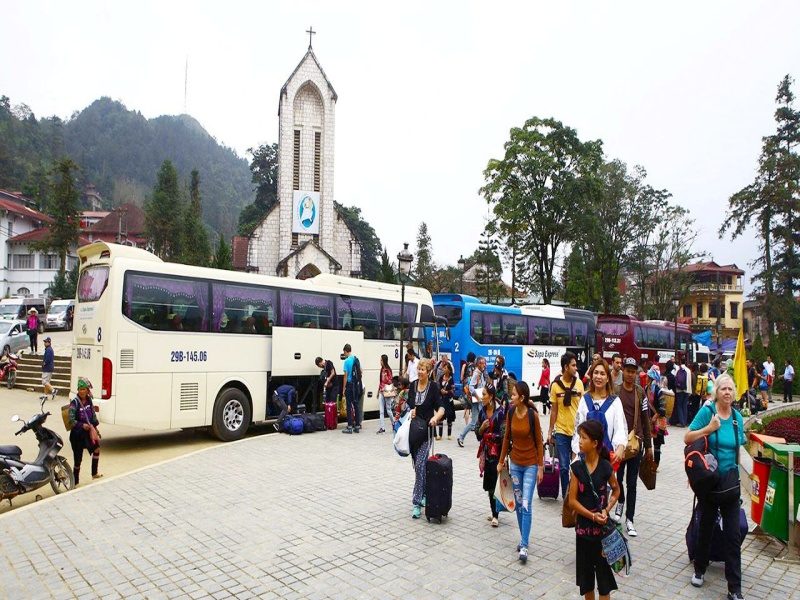
Disembark at the central bus station in Sa Pa town.
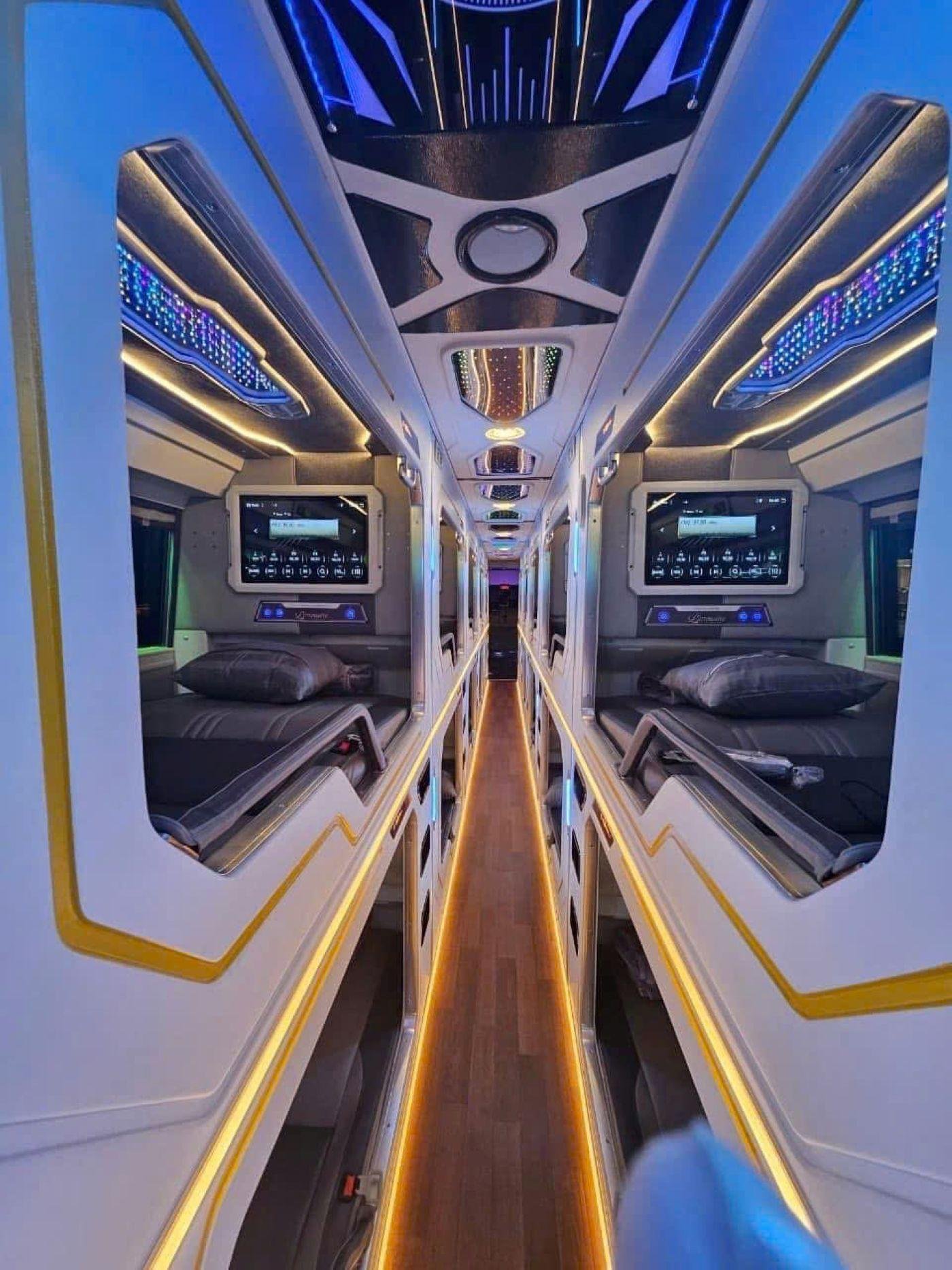
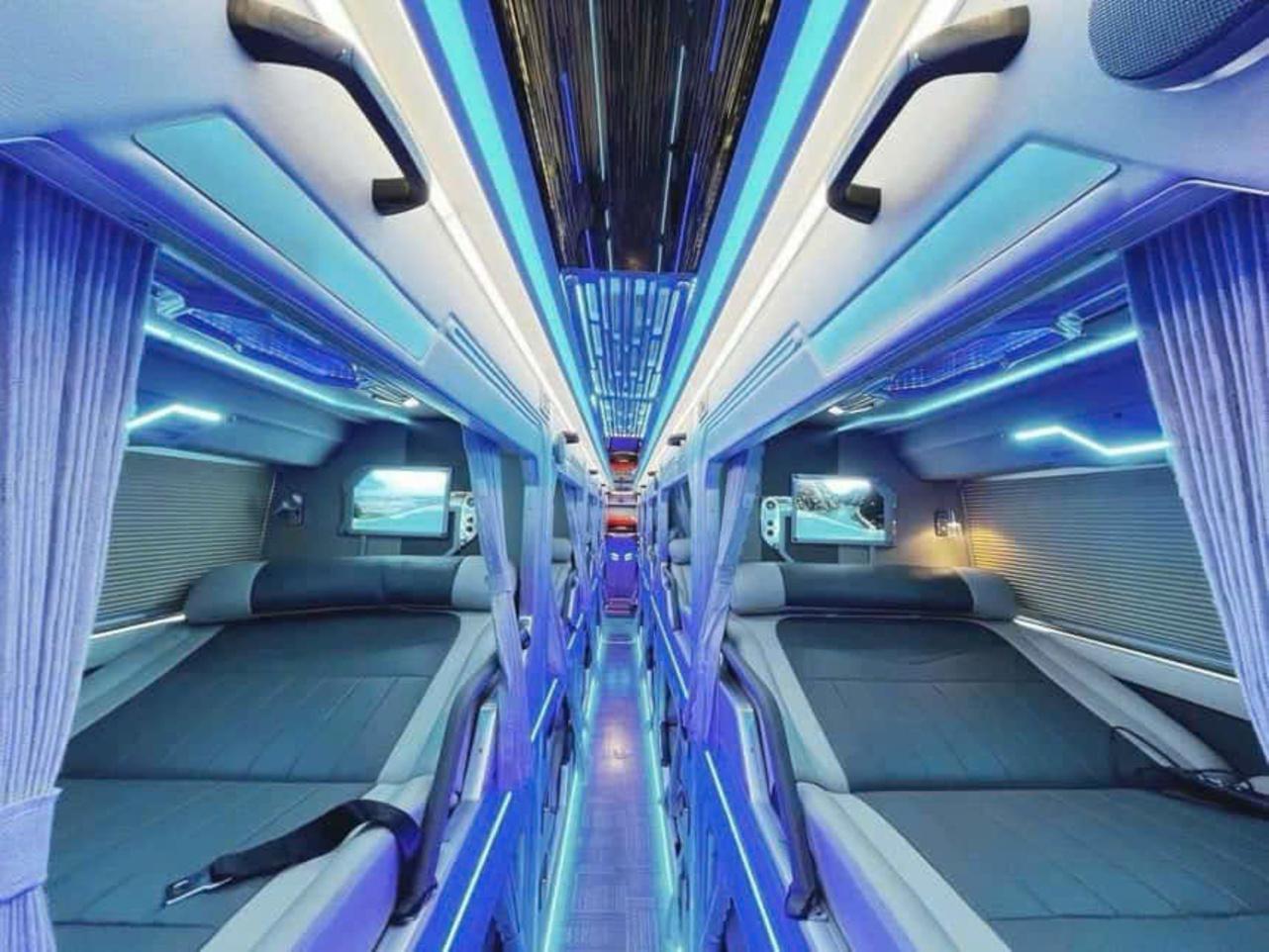
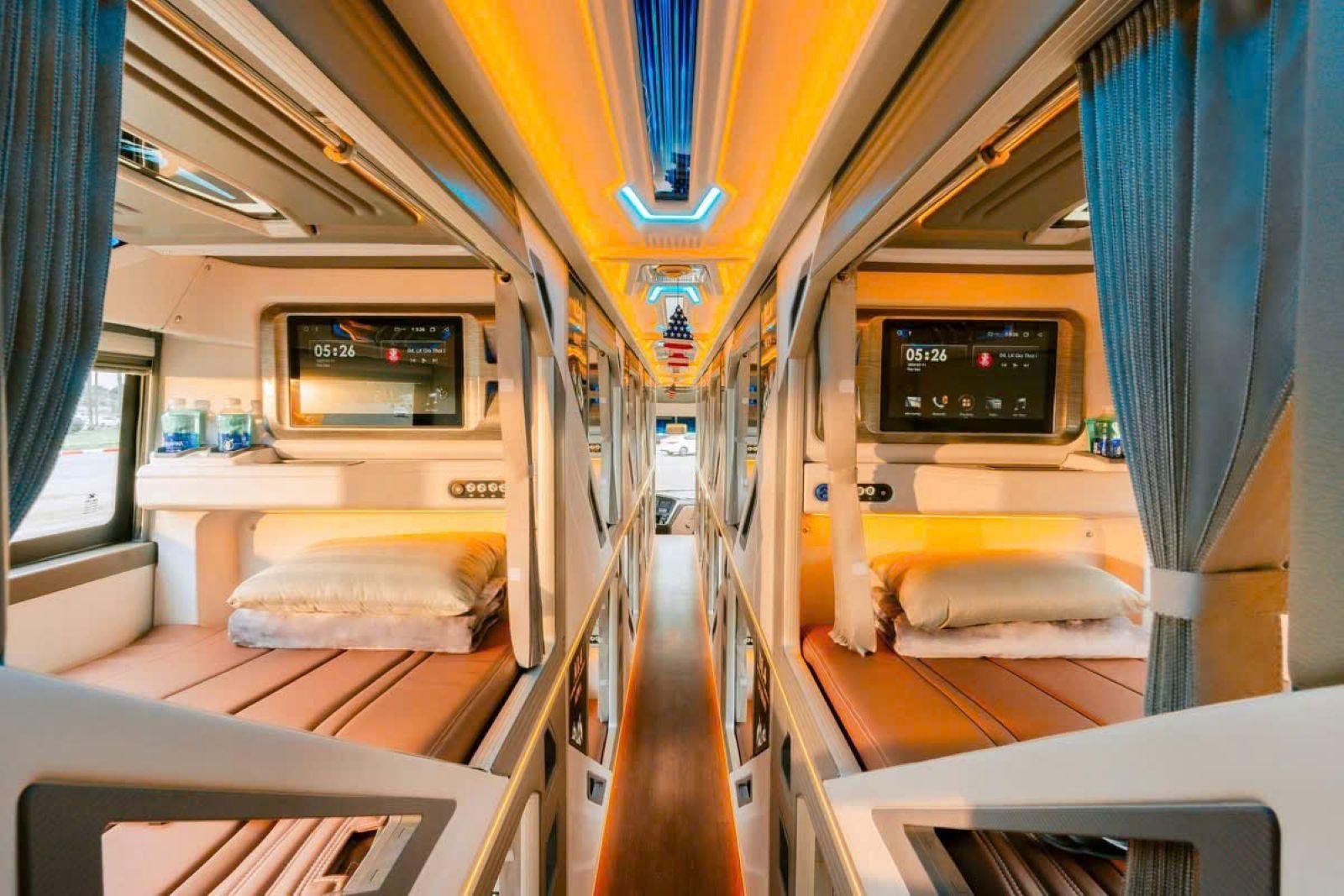
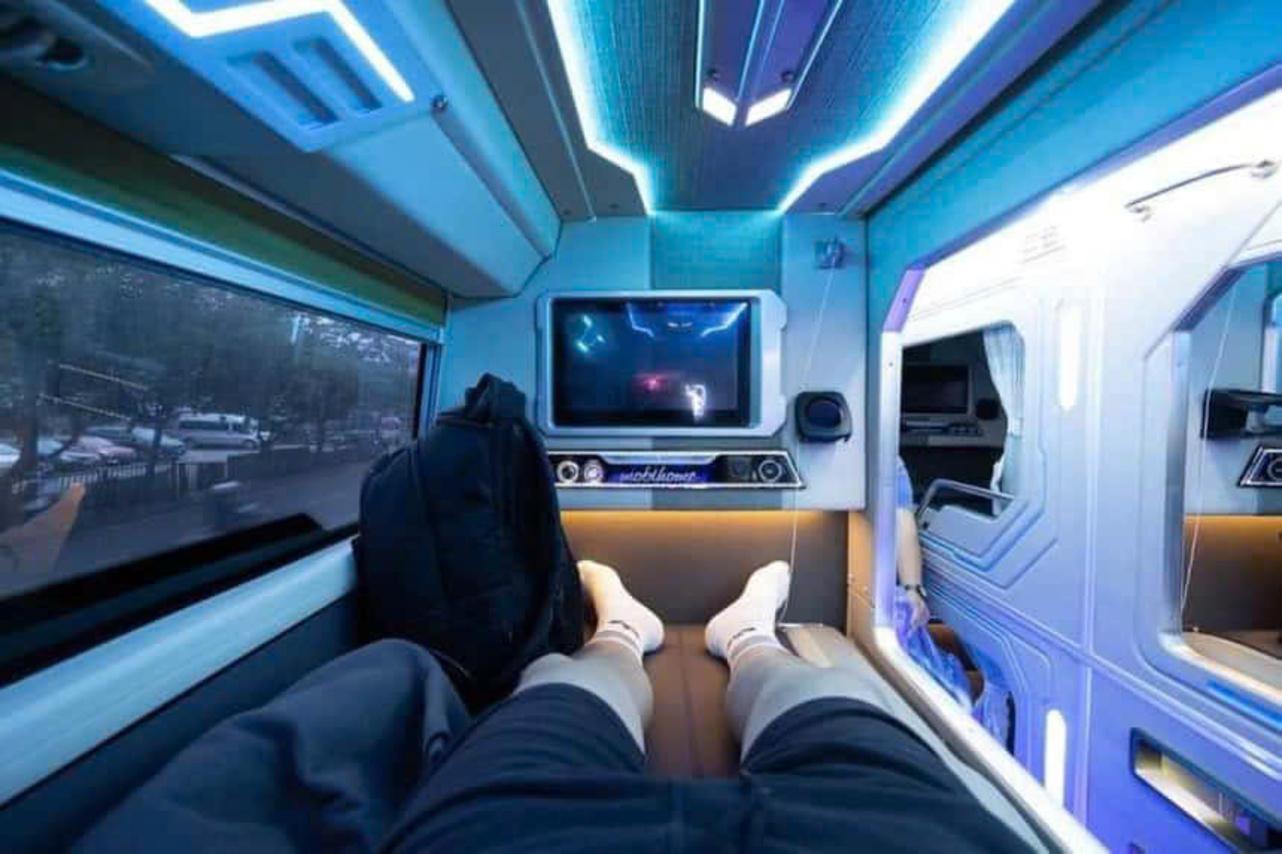
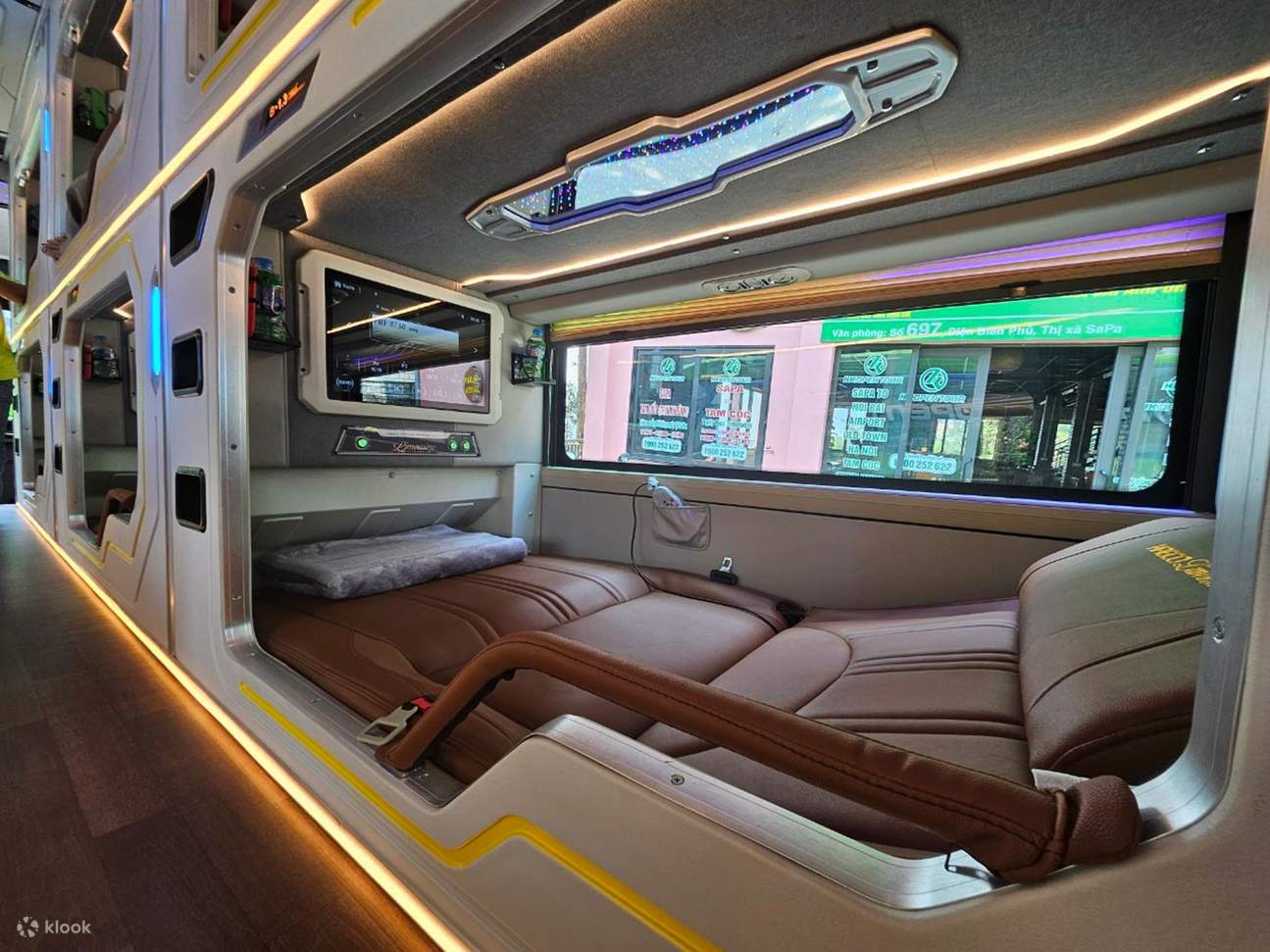
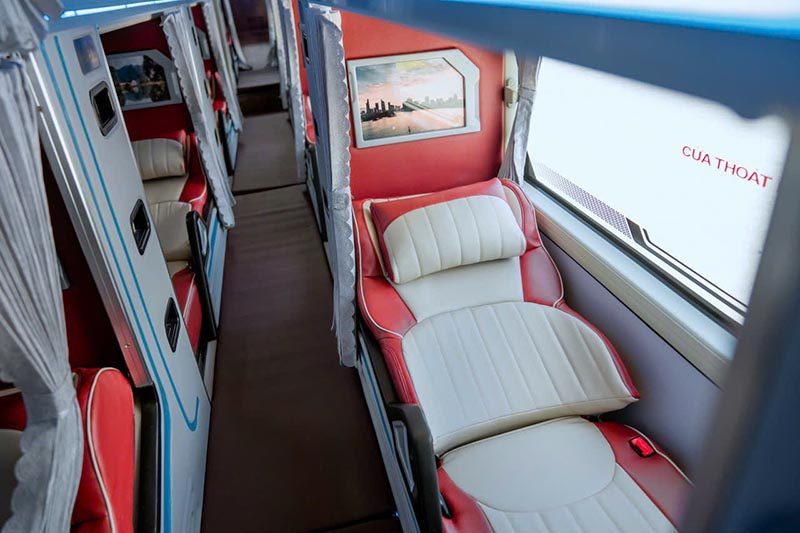
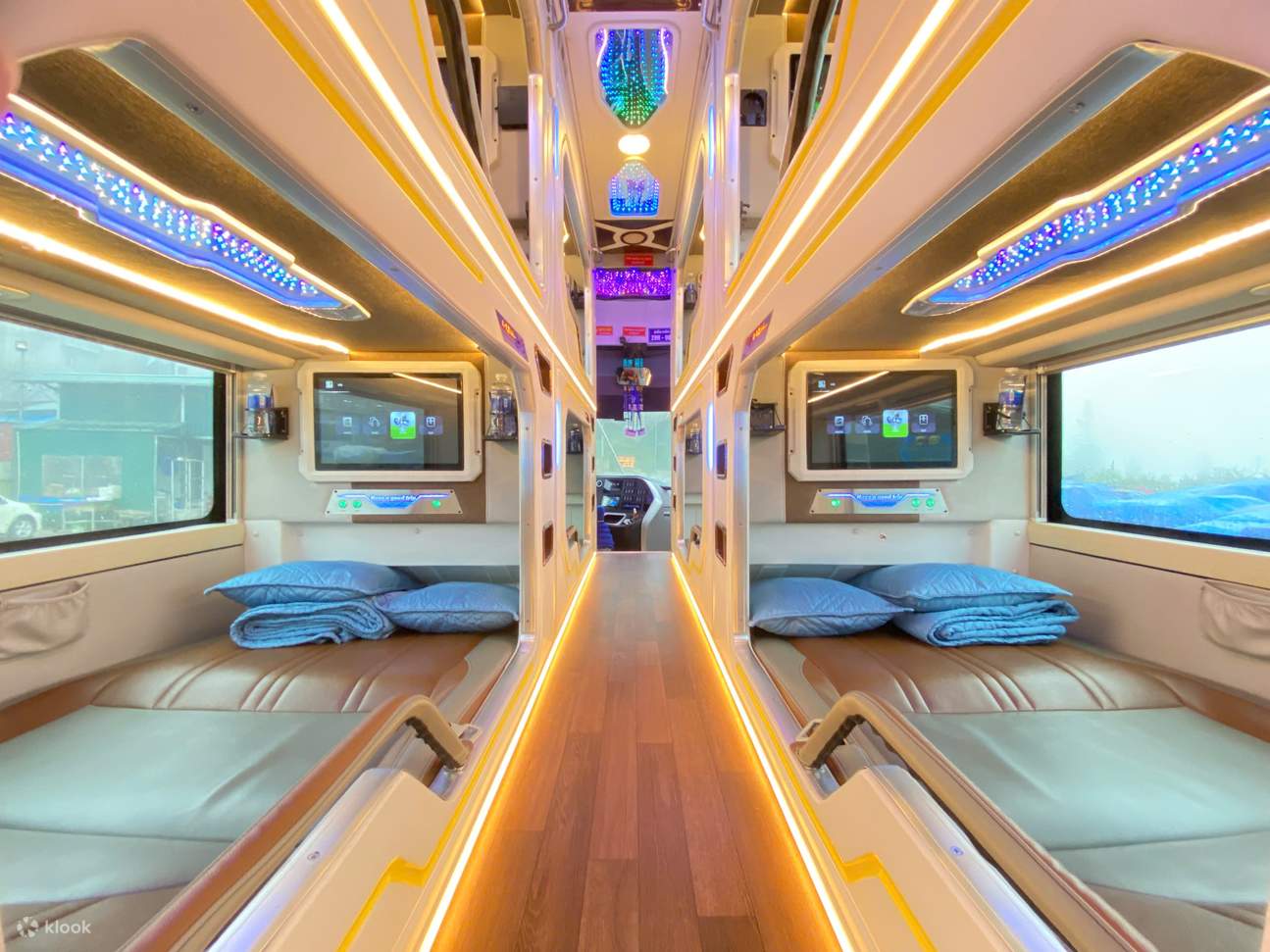
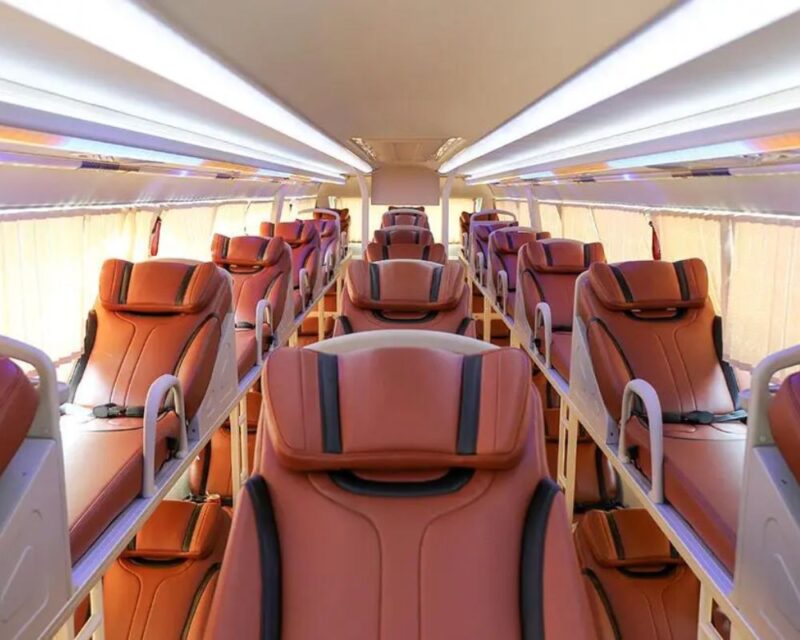
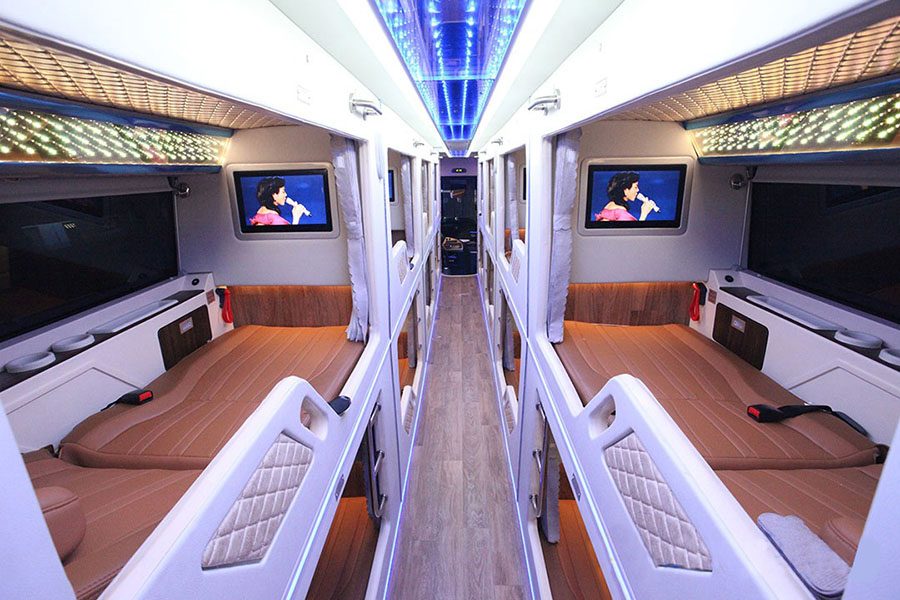
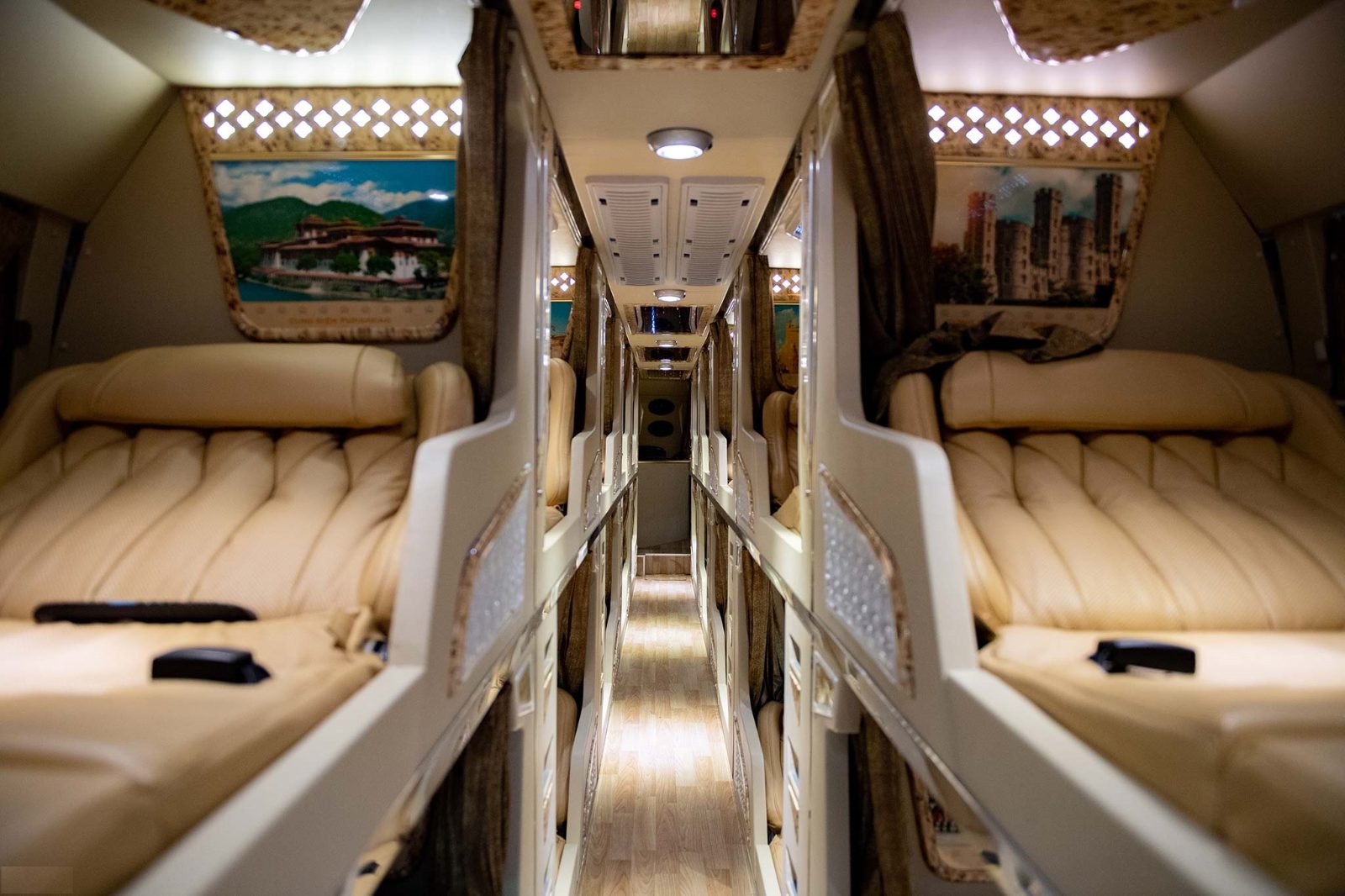
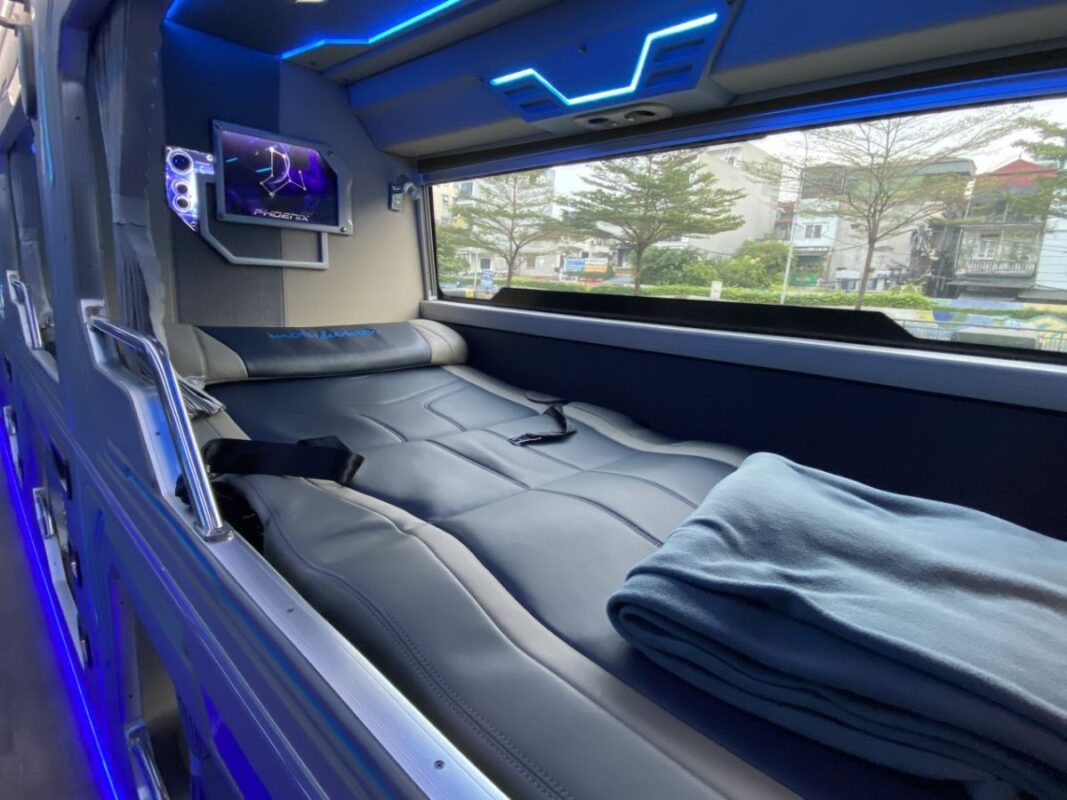
These private cabins offer a flat bed configuration, providing personal space during the overnight commute.
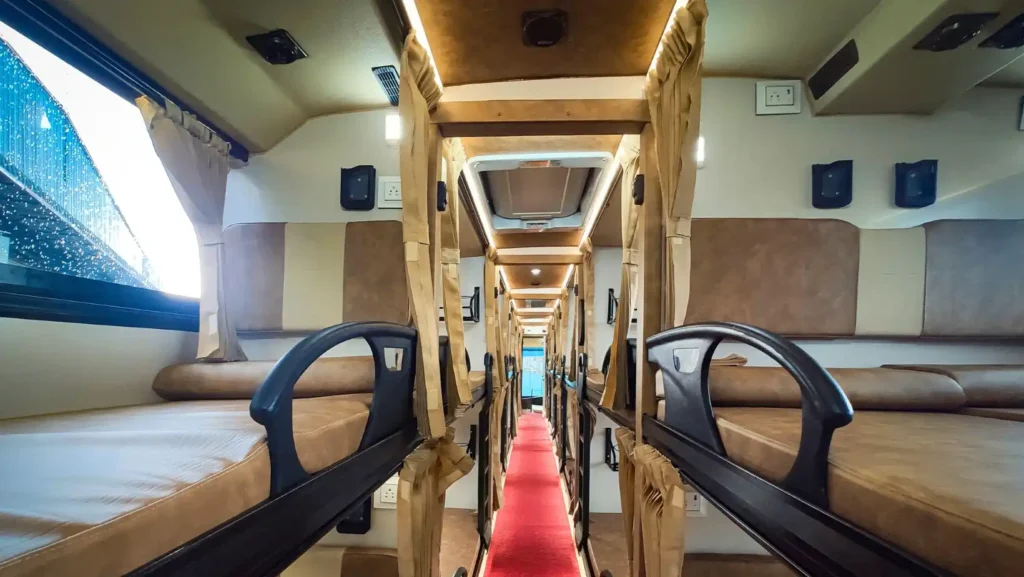
Each bunk includes a curtain to block out light and provide individual seclusion while traveling.
Integrated USB ports inside each unit keep your devices powered throughout the transit.
The interior is temperature-regulated, essential for the fluctuating climate between Hanoi and the mountains.
The upper cabins provide clear views of the changing landscapes as you approach the town.
You board near Hanoi's Old Quarter around 21:30, shoes off at the steps, backpack stowed in the lower hold. A driver gestures toward your cabin number — yours is B4, upper berth — and you slide the door shut behind you. The mattress is firm, the pillow thin, the air conditioning already humming.
You plug your phone into the USB port and stretch out as the bus pulls into evening traffic, heading northwest toward the highway.
By 23:00 you are past the delta flatlands, climbing through Yên Bái province in darkness. The road narrows. You feel the engine downshift on steep grades, hear the hiss of air brakes on descents. Sleep comes in intervals — an hour, then a jolt over a pothole, then another hour. Around 04:00 the bus stops at a roadside service station; fluorescent light spills through the cabin door as passengers shuffle to the toilet. You stay horizontal.
At 05:30 the first gray light filters through the windshield. You sit up, look out: terraced fields, pine forest, fog caught in the valleys. By 06:00 you roll into Sapa town center, stiff but upright, ready to walk.
All the details about your upcoming adventure in one place
The overnight bus corridor between Hanoi and Sapa carries more than 200,000 passengers annually, most of them crammed into open-berth coaches where privacy ends at a thin curtain and sleep comes in fragments.
Private cabin sleeper buses emerged in 2019 as a response to that discomfort — each berth enclosed by a lockable door, fitted with individual climate control, reading light, USB ports, and a mattress thick enough to survive the 320-kilometer climb into Hoàng Liên Son range.
The route itself is a logistical artifact of northern Vietnam's topography. Highway 70 and National Route 4D trace a gradual ascent from the Red River Delta flatlands through Yên Bái province, crossing 1,800-meter passes where fog condenses against the windshield and hairpin turns stack like pages in a book. Departures cluster between 21:00 and 23:00, timed to deliver passengers to Sapa town center by sunrise — an eight-hour window that allows drivers to navigate the steepest sections in darkness while passengers sleep horizontal.
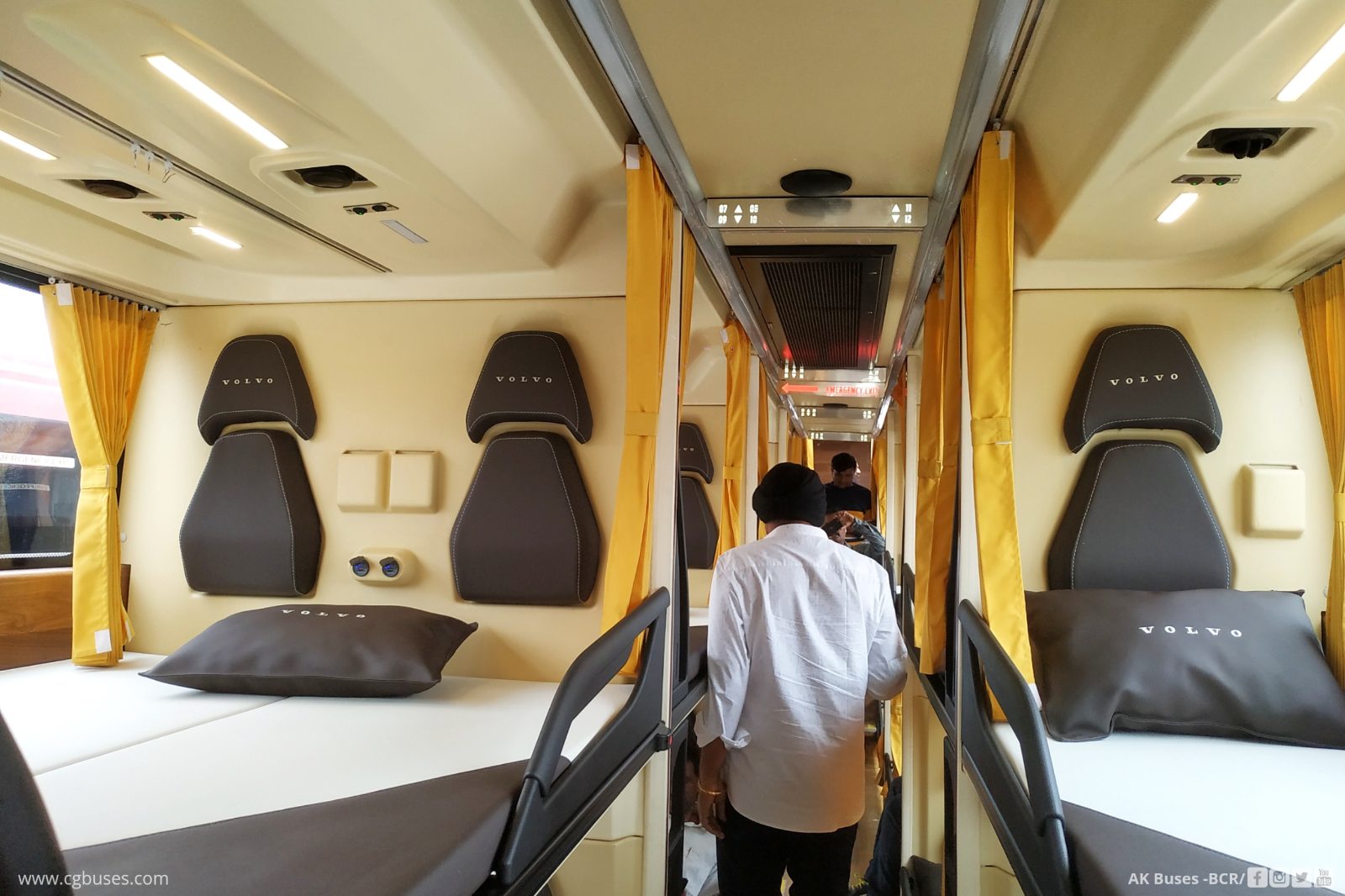
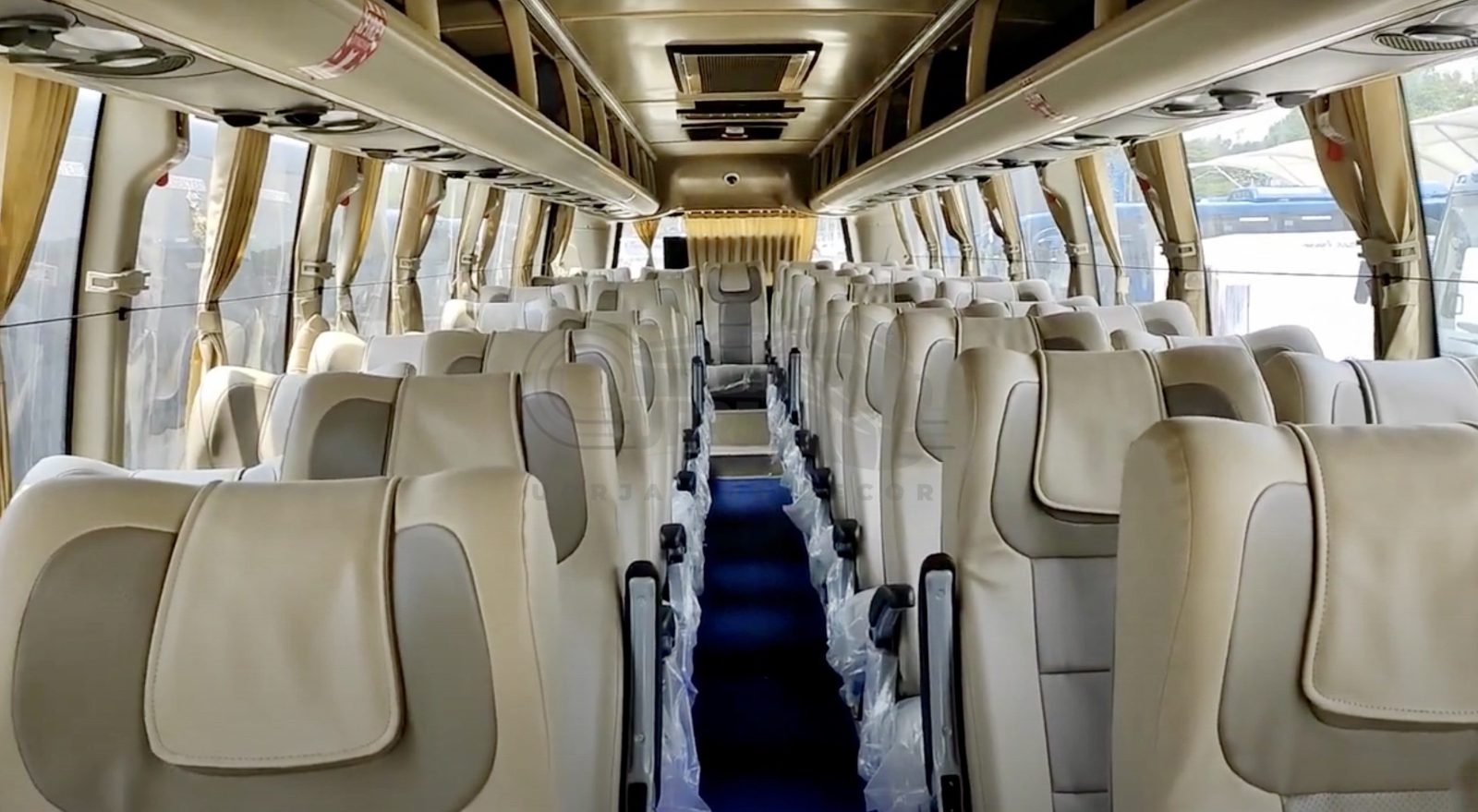
Private cabin configurations vary by operator. Most use a 20-berth layout — ten pairs stacked vertically, each pair enclosed in a sliding-door compartment roughly 1.2 meters wide. Inside: two padded bunks, individual air vents, a shared fold-down table, and a privacy curtain for the lower berth. Onboard toilets sit at the rear; bottled water and blankets come standard. The cabins do not eliminate road noise or the lurch of mountain switchbacks, but they do remove the open-dormitory exposure of standard sleeper buses, where strangers sleep elbow-to-elbow under flickering LEDs.
For travelers who value sleep over scenery, the overnight bus solves the problem of lost daylight. A morning flight to Hanoi followed by an evening sleeper bus means waking in Sapa with a full day ahead, no hotel night wasted in transit, and no need to navigate Lào Cai train station in the dark. The trade is comfort for efficiency — a horizontal bed in a moving vehicle versus a stationary one in town.

Each berth enclosed by a lockable door, fitted with individual climate control, reading light, and a mattress thick enough to survive the 320-kilometer climb into Hoàng Liên Son range.
Dress in comfortable, layered clothing suitable for mountain temperatures. A light jacket is recommended even in autumn as the air cools significantly during the hanoi to sapa sleeper bus private cabin transit.
Large luggage is stored in the under-bus compartment, while small personal items can be kept in your cabin. Keep valuables with you at all times during your hanoi to sapa sleeper bus private cabin journey.
Photography is permitted throughout the hanoi to sapa sleeper bus private cabin trip. Be mindful of other passengers when using flash during night hours.
Families should book adjacent cabins when available to stay together. Note that individual cabins are typically designed for one passenger to ensure safety during the hanoi to sapa sleeper bus private cabin ride.
The hanoi to sapa sleeper bus private cabin experience involves climbing stairs to access individual bunks. Please inform the operator in advance if you require assistance with boarding.
Most services include water; however, bringing your own snacks is encouraged. Eating inside the private sleeper cabin is permitted, provided you keep the space clean.
Operating Hours
00:00–23:59
Address
Multiple departure points in Hanoi to Sa Pa town center
Accessibility
Varies by vehicle type
Best arrival
06:00–22:00
Storage
Under-bus compartment
Taxi · 15-30 min · Varies by traffic
Direct transfer to the bus office or pick-up point.
Walk · Varies · 0 USD
Viable if staying within the Old Quarter district.
Cancellation terms depend on the specific operator. Please check your hanoi to sapa sleeper bus private cabin tickets for exact refund windows and conditions.
Recommended time
5-6 hours
The typical transit duration between these northern destinations lasts approximately 6 hours, depending on road conditions and mountain traffic. When selecting a hanoi to sapa sleeper bus private cabin, aim for a departure that ensures your arrival falls within the 06:00–22:00 window to facilitate easy transfers to local accommodation. Booking hanoi to sapa sleeper bus private cabin tickets in advance helps secure preferred berths, while those requiring hanoi to sapa sleeper bus private cabin tours should verify that the operator coordinates with your mountain lodge check-in times.
Crowd levels through the day
Weather · crowds · average price — dots go green to amber to red as each metric rises.
March to May offers stable weather and blooming flowers.
June to August is lush but can be humid with frequent rain.
September to November features clear skies and harvest terrace views.
December to February is chilly, occasionally experiencing frost or snow.
Request a lower bunk if you prefer easier access and stability. The hanoi to sapa sleeper bus private cabin layout is more comfortable on the ground level.
The hanoi to sapa sleeper bus private cabin routes are most efficient when departing in the evening to maximize rest. Use the 06:00–22:00 arrival window for best visibility.
Take preventative measures before the bus departs. The roads are narrow and winding.
Clearly label your bags stored under the bus. This makes identification faster upon arrival in Sa Pa.
Save your hanoi to sapa sleeper bus private cabin tickets offline. Connectivity can be spotty in the mountains.
Various locations based on operator
Ensure arrival 30 minutes before departure.
Get directionsThe hanoi to sapa sleeper bus private cabin service emerged from Vietnam's economic liberalization in the mid-1990s, when domestic tourism to the northern highlands began displacing state-run rail monopolies. Sa Pa, a French hill station abandoned in 1954, reopened to visitors in 1993. Early operators ran Soviet-era coaches on the 320-kilometer route, departing Hanoi near midnight and arriving at dawn. Passengers shared bench seating; theft and motion sickness were common. The journey took nine hours on Route 4D, a crumbling colonial road prone to landslides during monsoon season. Private cabins appeared in 2008 when Sao Viet and Sapaly Pioneer introduced converted coaches with two-berth compartments, curtains, and individual air conditioning vents. The innovation responded to middle-class Vietnamese families and foreign backpackers seeking overnight mountain transport without the expense of domestic flights or the rigidity of train schedules. By 2012, operators had retrofitted fleets with reclining sleeper pods, USB charging ports, and onboard lavatories. Competition drove fares below rail equivalents, and the Hanoi to Sapa sleeper bus private cabin tours became the dominant route by 2015, carrying an estimated 400,000 passengers annually. The Hanoi-Lao Cai Expressway, completed in sections between 2014 and 2022, reduced travel time to five hours and improved safety on the descent into the Muong Hoa Valley. Modern cabins now feature blackout curtains, Wi-Fi routers, and biometric luggage lockers. Environmental criticism intensified after 2020, when the Sa Pa town council documented diesel particulate concentrations exceeding national air quality standards during peak tourist months. Operators responded by piloting hybrid engines and consolidating departure schedules. Despite regulatory pressure, the route remains the most affordable door-to-door option for travelers accessing terraced rice fields, Fansipan cable car stations, and ethnic minority villages in Lao Cai Province.
Sa Pa reopened to domestic tourists after four decades of military restriction
First overnight coaches departed Hanoi's My Dinh station on Route 4D
Sao Viet launched two-berth private cabins with curtain partitions
Hanoi-Lao Cai Expressway Phase I reduced route time to six hours
Private cabin buses overtook rail as the dominant Sa Pa transport mode
Expressway completion cut journey time to five hours
Lao Cai Province introduced emissions caps for diesel coaches
Hybrid-engine pilot programs began on high-frequency routes
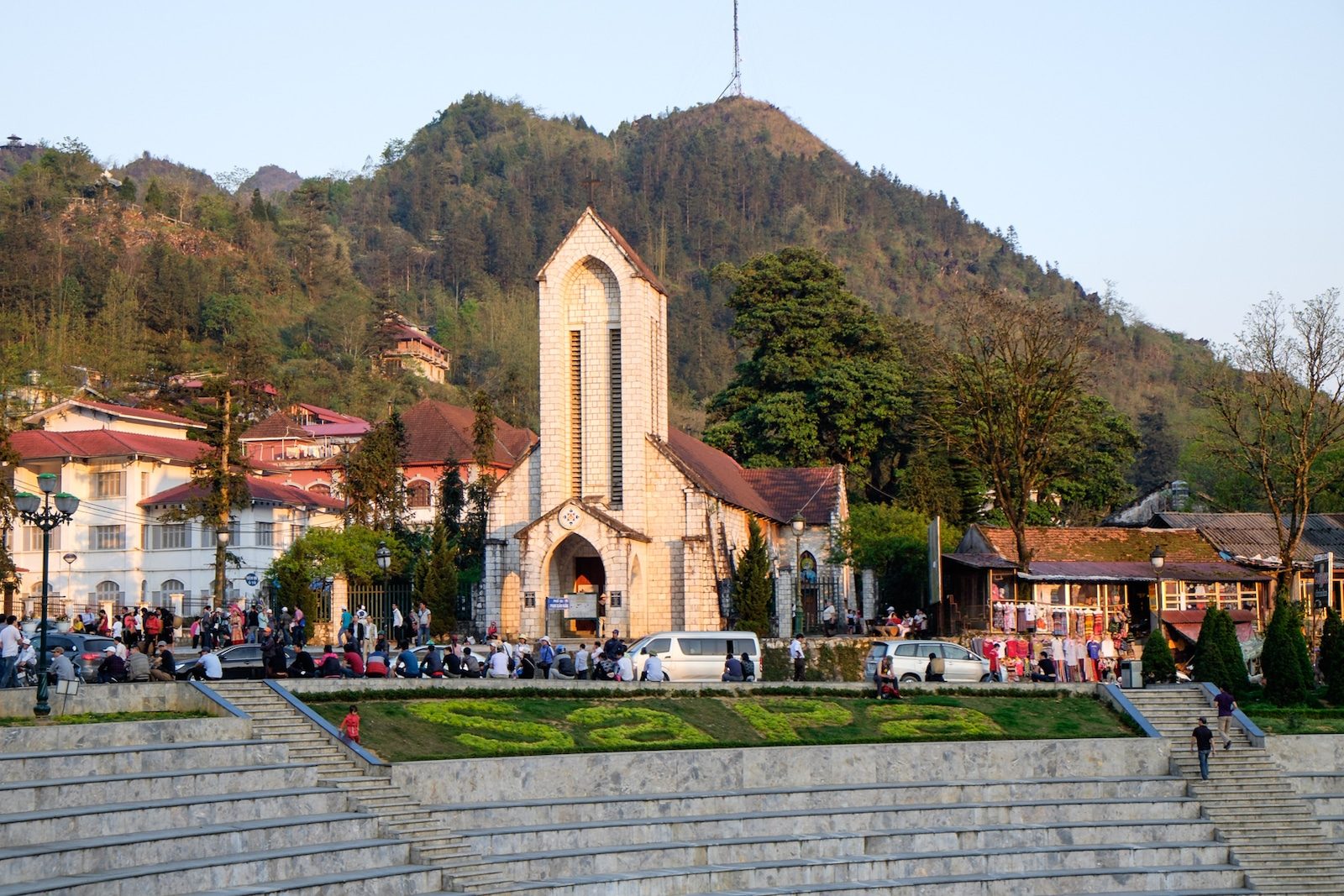
Capture the gothic architecture from the main square as the morning mist clears. Position yourself near the entrance to frame the stone facade against the backdrop of the Hoang Lien Son mountains.
Document your arrival after your hanoi to sapa sleeper bus private cabin journey at this central hub. Stand near the exit gates to photograph the local transport atmosphere and the surrounding misty peaks.
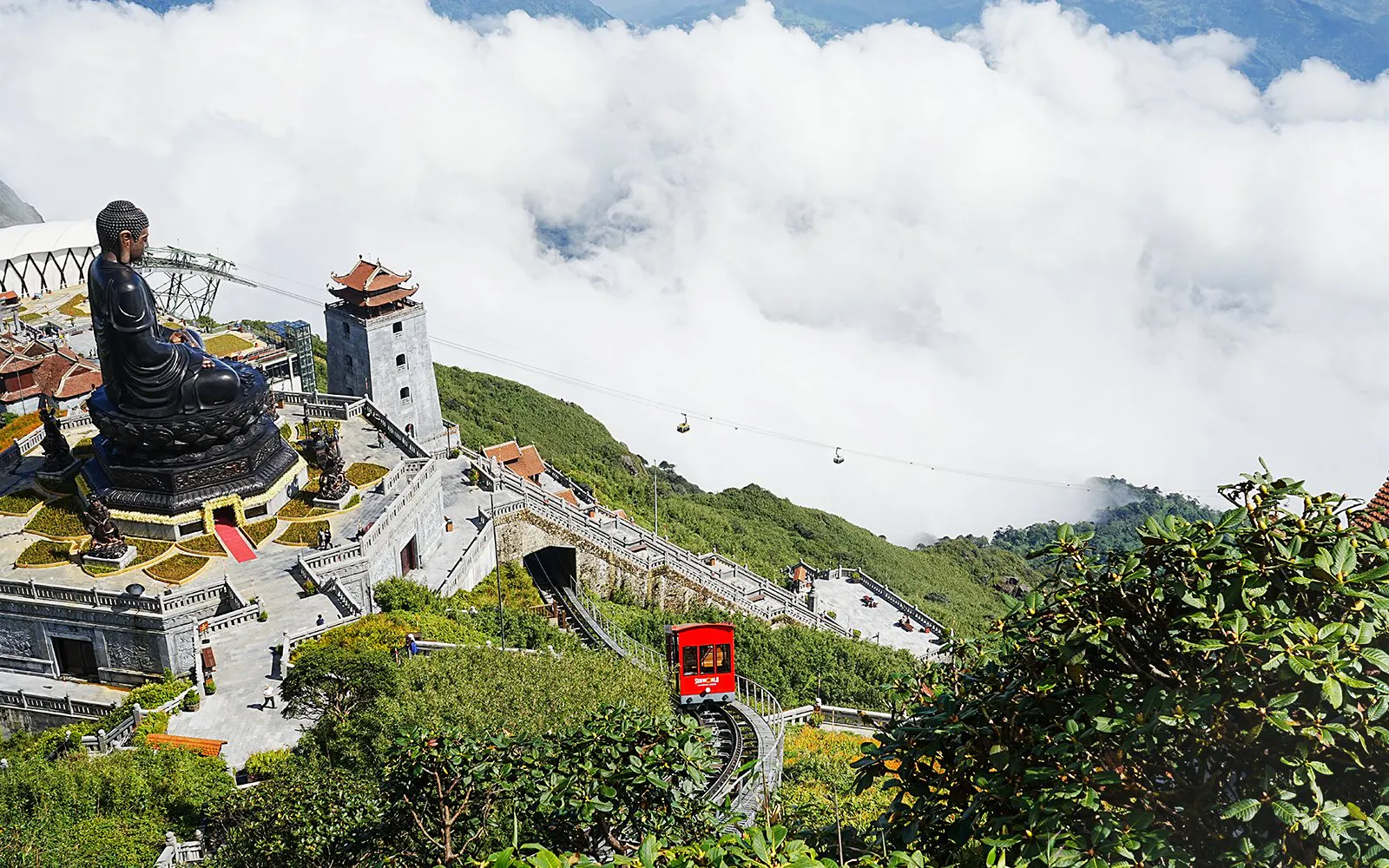
Photograph the modern facility where visitors begin their ascent to the peak. This spot is popular for hanoi to sapa sleeper bus private cabin tours providing a contrast between the travel experience and the high-altitude infrastructure.
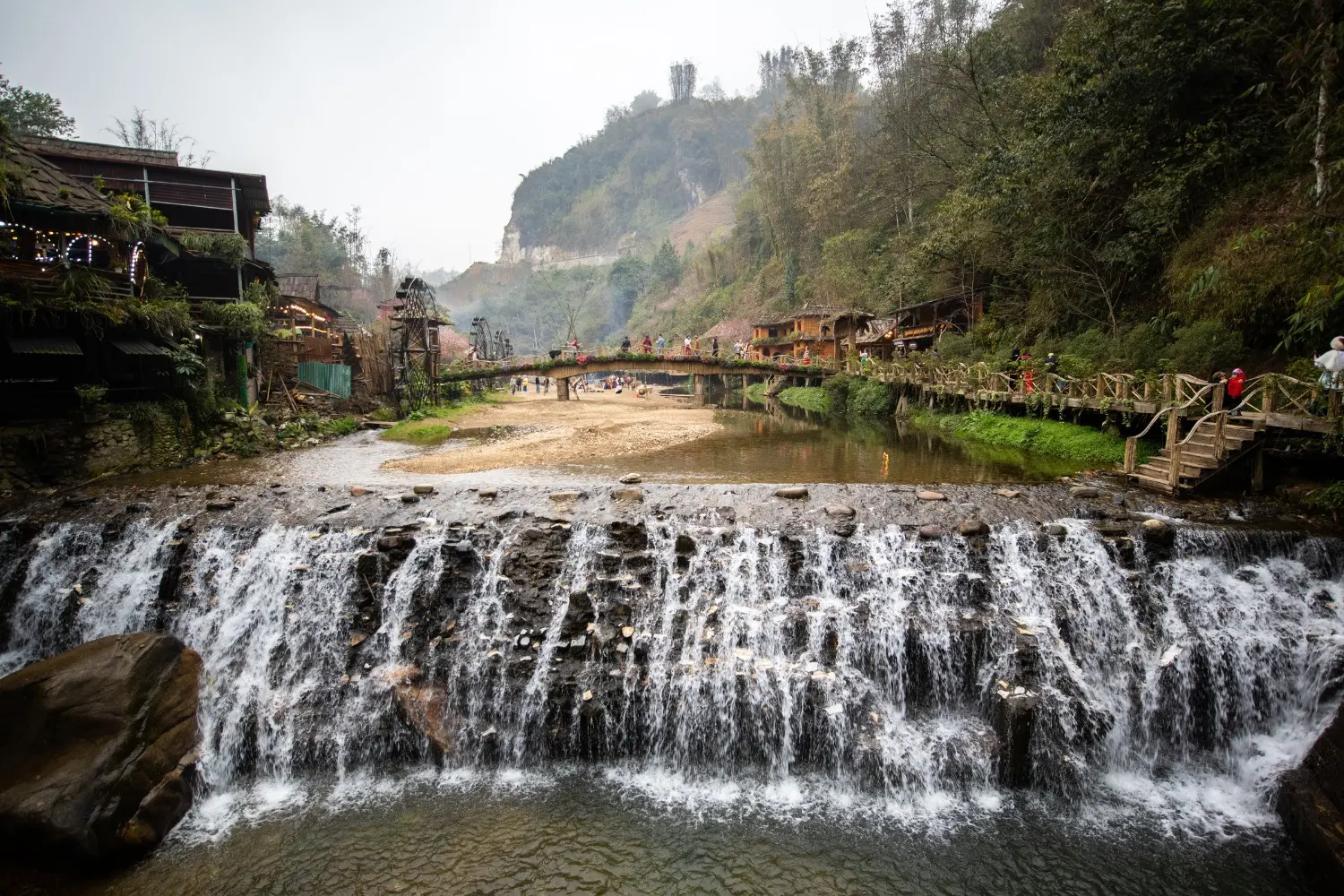
Walk down the stone paths to the wooden bridge for a clear view of the cascading water and traditional water wheels. Visitors booking hanoi to sapa sleeper bus private cabin tickets often make this their first stop to photograph the valley landscape.
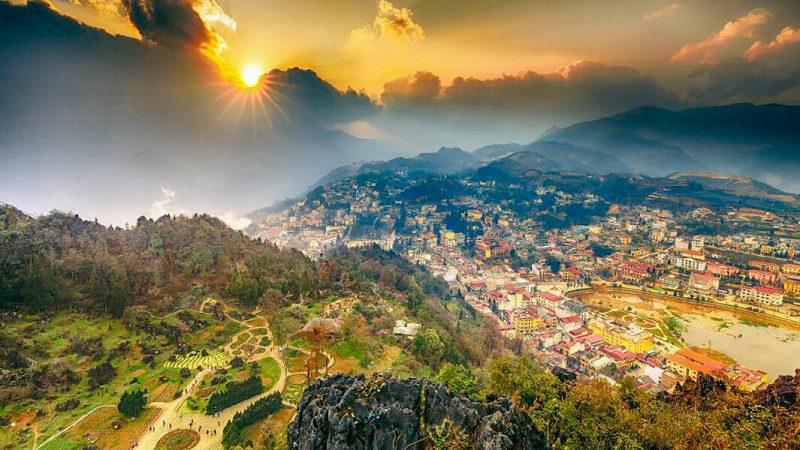
Climb the stone stairs to reach the observation deck overlooking the town. The vantage point offers an expansive perspective of the rooftops and is a staple for those on a hanoi to sapa sleeper bus private cabin tour.
Traveling from Hanoi to sapa sleeper bus private cabin options offer families a contained space to rest during the mountain transit. These vehicles provide a secure environment for children to lie down while the coach navigates the winding roads toward Sa Pa.
Most operators require strollers to be folded and stored in the luggage compartment underneath the bus. Ensure you have a compact carrier for easier movement during boarding or transit stops
This transport is generally suitable for children who can manage several hours in a confined space without needing constant activity. Bringing hanoi to sapa sleeper bus private cabin tours entertainment like tablets or books helps keep younger passengers occupied
Onboard amenities are basic and rarely include dedicated baby-change tables or private restrooms. Plan to carry all necessary hygiene supplies in your immediate hand luggage for the duration of the journey
The best arrival window is 06:00–22:00 to ensure you reach your accommodation during daylight hours. This allows parents to navigate the final leg of the trip to the town center with clearer visibility
Pack sufficient snacks and water as meal stops may not cater to specific dietary needs or picky eaters. Booking hanoi to sapa sleeper bus private cabin tickets does not typically include food service, so self-sufficiency is recommended
The journey proceeds regardless of weather, though mountain road visibility can fluctuate. Having hanoi to sapa sleeper bus private cabin tour arrangements that allow for flexible rescheduling is helpful if extreme conditions occur.
Travelers arriving via a hanoi to sapa sleeper bus private cabin often seek immediate nourishment near the town center bus drop-off points. You will find numerous local eateries and cafes within a short walk of these transit hubs to recover from your journey.
This venue offers a comfortable atmosphere for breakfast, featuring both Vietnamese and Western options. It is a reliable spot to rest after finalizing your hanoi to sapa sleeper bus private cabin tour.;Little Sa Pa Restaurant
Everything you need to know for your journey
The service operates 00:00–23:59 daily.
Yes, the service runs from Monday through Sunday, 00:00–23:59.
There is a 0 USD entrance fee as this is a transport service, not an attraction.
You must follow the specific time listed on your hanoi to sapa sleeper bus private cabin tickets.
Yes, though young children may find the narrow, steep stairs difficult to navigate.
Bring a passport, warm clothes for mountain temperatures, and your digital ticket for the hanoi to sapa sleeper bus private cabin.
Yes, items like flammable liquids or dangerous chemicals are prohibited on all transport routes.
Arrival should be between 06:00–22:00 to ensure visibility and navigation to your hotel.
Departure points for the hanoi to sapa sleeper bus private cabin are located throughout Hanoi, such as the Old Quarter or Noi Bai Airport.
Central lake perfect for morning walks and local socializing.
Offers panoramic views of the town and Hoang Lien Son mountains.
Historical French-colonial architecture in the town square.
Traditional Hmong village featuring terraced fields and waterfalls.
Central hub for hotels, homestays, and dining options.
Boutique lodges overlooking the terraced rice paddies.
Join thousands of happy travelers who have discovered this incredible experience
Book Your Experience Now